

Spirituality in psychotherapy

Educational Workshops for Therapists

A series of seven online workshops designed for therapists who wish to develop greater confidence, sensitivity, and clinical competence in working with spiritual themes within the therapeutic process.

About the Training

Spirituality is a theme that many clients naturally bring into the therapy room. Sometimes through questions of faith, meaning, and identity. Sometimes through their relationship with God, a religious community, or spiritual practices. At other times through crises, doubts, conflicts, disappointments, or experiences that extend beyond familiar psychological categories.

Yet most therapists receive very little training or support in working with these themes. We often find ourselves caught between two extremes: translating spirituality entirely into psychological language and losing something essential in the process, or stepping back from the conversation because we do not feel sufficiently confident to follow it.

This training was created to offer a space for exploring precisely these questions.

ChatGPT Image Jun 11, 2026, 09_43_15 PM

Purpose of the Training

The aim of this training is to help therapists develop the ability to accompany clients in questions of meaning, faith, suffering, identity, and personal development without abandoning either the psychotherapeutic relationship or the spiritual dimension of experience. Or, put more simply, it seeks to answer the question: “How can I remain a therapist when the conversation becomes spiritual?” The workshops are organized into two interconnected parts.

Signature: 7tOtWWbjFDSTaY1MpBJAA4rjF3yMxeywIT6auPeWXUT+05t1tkcQBPy3I8vMB65NI/c3tqwXXAM1FYG/zEuxYfLcNcef2w+vtonwcboG4KmxmhforfHyWj8dQzp8HzMtQrMnPwH91Rgx+xrcCuFV5t3zqObi39ModWxaeFSxrH/gtBwtCG8/qqAdPumXAwwXdWXBScAQna5XGvPCzc/6dotjgR4Em5zo+cwdoqBJwyIFhnecQ81Hn0CLxZWOQzVL

Modules 1-4

The first part of the training consists of four workshops and focuses on spirituality as a universal human experience. The emphasis is on developing greater confidence in exploring spiritual themes in therapy, assessing spiritual resources and difficulties, distinguishing support from indoctrination, and working with spiritual dilemmas, crises, and harmful forms of spirituality.

ChatGPT Image Jun 11, 2026, 09_54_15 PM

Modules 5-7

The second part of the training consists of three workshops and is intended for therapists working with clients whose spirituality is rooted in Orthodox Christianity. The focus is on understanding the Orthodox view of the human person, personal development, community, passions, virtues, and spiritual growth, enabling therapists to better understand their clients’ experiences and the resources available to them within their spiritual tradition.

Who Is This Training For?

This training is intended for psychotherapists, final-year psychotherapy trainees, and colleagues from other helping professions who wish to broaden and deepen their understanding of spirituality, religion, meaning, and values in the context of therapeutic work.

It may be particularly valuable for professionals who:

  • work with clients for whom faith, religion, or spirituality are important aspects of life,
  • feel they lack the language, confidence, or framework for engaging in conversations about spiritual themes,
  • want to learn how to explore spirituality without imposing their own beliefs,
  • encounter clients who are experiencing spiritual crises, conflicts, or a loss of meaning,
  • wish to better distinguish between healthy spirituality and spiritual resources on the one hand, and harmful forms of spirituality on the other,
  • work with Orthodox Christian clients and would like a deeper understanding of their spiritual experience,
  • wish to expand their understanding of human development by including the spiritual dimension of experience.

Workshop Format

The workshops take place online via Zoom, once a month throughout the academic year. Each module lasts three and a half hours, including breaks. When registering, participants may choose between: 

  • Part One of the training (four workshops), or
  • The complete training program (all seven workshops).

Fee per Module

  • 4,500 RSD for payments made via Serbian bank transfer

  • 45 EUR for payments made via PayPal

The final schedule and workshop dates will be determined after the group has been formed, taking into account the availability of the majority of participants. Workshops will be held either on weekday afternoons and evenings or on Saturday mornings, depending on the needs of the group.

The group size will typically range from 8 to 20 participants. The workshops are designed as a combination of lectures, experiential exercises, small-group work, discussion, and reflection on specific clinical situations. Based on previous experience, I have found that the workshops gain their full value through continuity, the gradual development of a shared space for learning and exchange, and engagement with the process as a whole.

Modules

1: Introduction and Core Concepts

Spirituality: concepts and definitions. Formation of the group. The significance of the client’s spirituality and the therapist’s spirituality within the therapeutic process. The relationship between spirituality, religion, value systems, and existential questions. The place of spirituality in Gestalt therapy. Contemporary forms of spirituality outside traditional religious frameworks.

2: Exploration and Assessment

Exploring the meaning of the client’s individual spirituality, previous spiritual experiences, sources of support, and spiritual wounds. Spiritual identity and the client’s relationship with God, community, and spiritual practices. Distinguishing between psychological and spiritual dimensions. Assessing healthy and unhealthy spirituality and considering possible criteria for evaluation.

3: Working with Spiritual Resources

Identifying and strengthening the client’s existing spiritual resources. Support versus indoctrination. The place of prayer, meditation, ritual, community, sacred texts, and other spiritual practices within therapeutic work. Clinical examples and common dilemmas therapists encounter in practice.

4: Spiritual Dilemmas and Harmful Spirituality

Spiritual crises, conflicts, and periods of questioning meaning, identity, and values. Spiritual countertransference. Harmful spirituality and spiritual bypassing as possible forms of defense and avoidance. Approaches to working with religious wounds, rigid beliefs, and other forms of spiritual suffering.

5: The Orthodox Understanding of Human Nature

The human person as created in the image and likeness of God. Human nature, freedom, sin, and the passions. Liberation from the passions and growth in love and freedom. Self-transcendence and theosis. Similarities and differences between the Orthodox understanding of human development and contemporary psychological perspectives.

6: Life in the Community of Believers

Understanding the community of believers: healthy and deficient models of community. The Church as a community, a source of support, and a context for spiritual growth. The sacraments, communal prayer, grace, and the relationship with a spiritual father. The significance of community, ritual, and belonging.

7: Personal Development as Ascetic Practice

Faith and repentance as supports for personal growth. Personal development as a lifelong process of disciplined effort, maturation, and transformation. Turning away from evil and moving toward the good. Prayer, fasting, virtues, self-restraint, mercy, and the discernment of thoughts. Relationship with the saints. Completion and integration of the training cycle.

About me

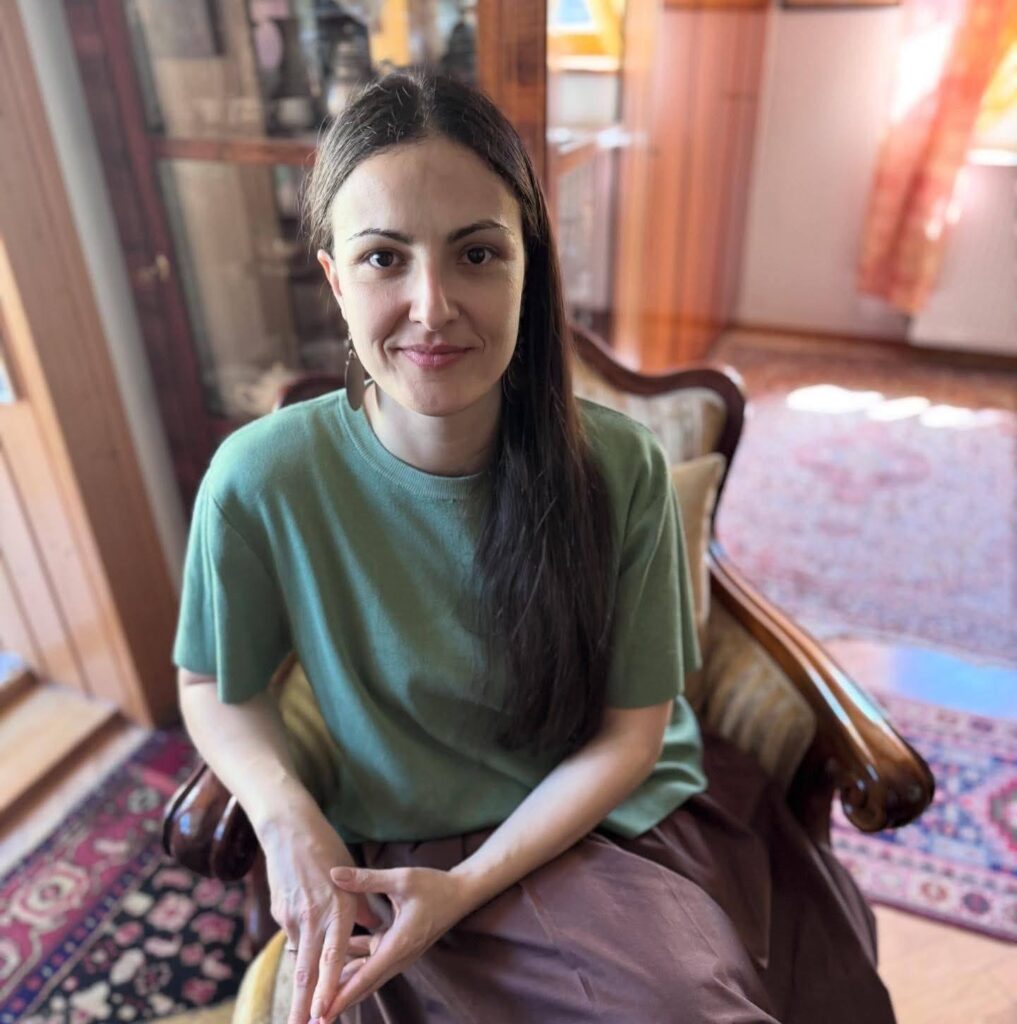
I am Branka Irižanin, a psychologist, Gestalt psychotherapist, and holder of a Master's degree in Theology.

The intersection of psychology and spirituality has been a central theme throughout my professional development. In addition to my studies in psychology, I completed a Master's degree in Theology. My master's thesis explored “The Passions and Liberation from the Passions in the Teaching of St. John Climacus and a Comparison with Gestalt Therapy.”

In my work, I am particularly interested in questions of meaning, spiritual development, identity, the relationship between psychological and spiritual experience, and the possibilities for dialogue and integration between these two dimensions of human life.

Registration

By clicking the “Apply” button, you will be redirected to the registration Google Form. After registering, you will be invited to a brief individual online or phone conversation. Following these conversations, the group will be finalized and the workshop schedule confirmed. Once the group has been formed, communication between sessions will take place through a closed mailing list. 

If you have any questions, feel free to contact me:

Email: branka.irizanin@yahoo.com
Phone: 063/87-82-773

Updates about the training program and future workshop groups will also be shared on my Facebook and Instagram pages. Feel free to follow me if you would like to stay connected.

en_GBEnglish